el Interruptor de encendido/apagado de herramienta eléctrica Es uno de los componentes fundamentales de cualquier herramienta eléctrica. Su función principal es simple pero crucial: enciende o apaga la herramienta, brindando al usuario la capacidad de controlar el funcionamiento de la herramienta. Normalmente, este interruptor está ubicado en una posición accesible, como en el mango o cerca de la carcasa del motor, para permitir un acceso rápido y conveniente al usuario.
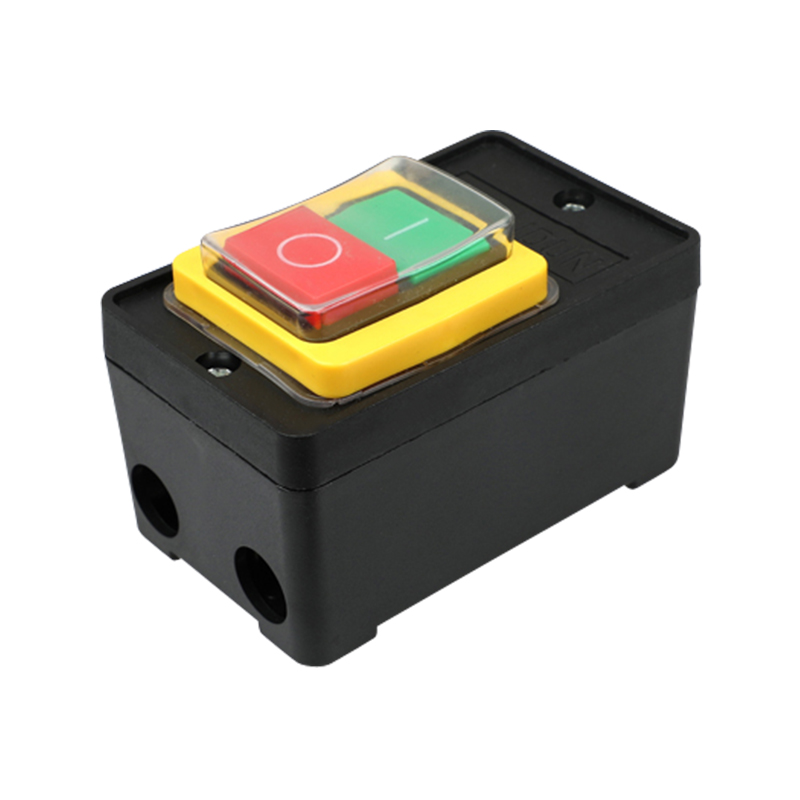
el design of the On/Off switch varies depending on the type of power tool. For example, in drills and saws, the switch is usually a trigger or a toggle button that is pressed or flipped to start or stop the tool. In some cases, it may be a rocker switch, while in others, a sliding or rotating switch may be used.
el On/Off switch operates simply by completing or breaking the electrical circuit that powers the motor. When the switch is engaged (turned on), it allows electricity to flow to the motor, causing the tool to run. Conversely, when the switch is disengaged (turned off), the circuit is broken, and the tool stops functioning.
Si bien este interruptor es esencial para el funcionamiento básico de la herramienta, su único propósito es administrar la potencia de la herramienta. No aborda directamente ningún problema de seguridad y, por lo tanto, no puede evitar arranques accidentales u otras situaciones peligrosas que puedan surgir durante el uso de la herramienta.
Un interruptor de seguridad para herramientas eléctricas es un tipo específico de interruptor diseñado para prevenir accidentes, lesiones o daños causados por la activación involuntaria de la herramienta. A diferencia del interruptor de encendido/apagado estándar, que solo controla el funcionamiento de la herramienta, el interruptor de seguridad está diseñado para agregar una capa adicional de protección. Suele encontrarse en herramientas con mayores requisitos de potencia o aquellas que suponen un riesgo importante durante el funcionamiento.
el Safety switch is often designed to ensure that the tool cannot be started accidentally. This switch may require an additional step beyond simply flipping the On/Off switch. For instance, in many modern power tools, users must engage a safety feature such as a lock button, key switch, or two-stage activation before the tool can be turned on. This feature ensures that only the person operating the tool intentionally activates it, reducing the risk of accidental start-ups.
En algunas herramientas, el interruptor de seguridad también puede servir para desactivar la herramienta en determinadas situaciones. Por ejemplo, si la herramienta se sobrecalienta o detecta un problema, el interruptor de seguridad puede activar un mecanismo de corte que apaga automáticamente la herramienta para evitar más daños o lesiones.
Aunque el interruptor de encendido/apagado de la herramienta eléctrica y el interruptor de seguridad de la herramienta eléctrica son partes integrales de la funcionalidad de la herramienta, tienen propósitos diferentes y no son intercambiables. Estas son algunas de las diferencias clave:
Propósito:
el On/Off switch is designed primarily for controlling the tool's operation—turning it on or off.
el Safety switch, on the other hand, is designed specifically to enhance safety by preventing accidental activation and reducing the likelihood of injuries. It adds an extra layer of protection to the tool's basic operation.
Diseño:
el On/Off switch is usually a simple toggle, button, or trigger that directly controls the flow of electricity to the motor. It is usually easy to access and engage, ensuring that the tool can be operated without difficulty.
el Safety switch often requires a secondary action, such as pressing a button, sliding a lever, or engaging a lock mechanism. This step ensures that the tool cannot be turned on unintentionally or without the operator's full attention.



 English
 русский
 Español